

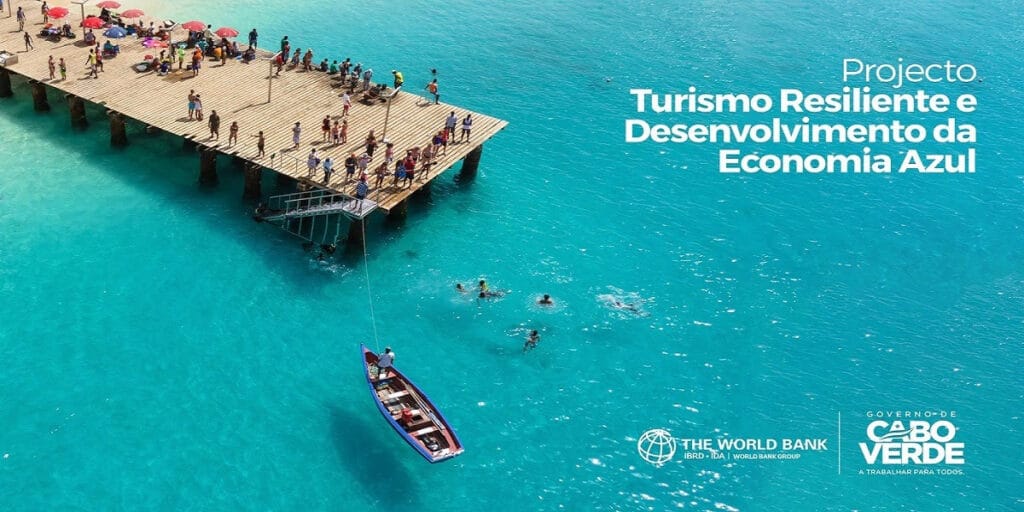
Cape Verde, an archipelago located in the Atlantic, stands out for its stunning landscapes, rich culture and welcoming climate, characteristics that position it as a prime tourist destination. However, like many Small Island Developing States (SIDS), it faces significant challenges related to climate change, economic dependence on tourism and the need for economic diversification.
In this context, the concepts of Resilient Tourism e Blue Economy are emerging as strategic pillars to guarantee a sustainable future for the country.
O Resilient Tourism refers to a tourist destination's ability to withstand, adapt to and recover from adversity, such as natural disasters, economic crises or pandemics. In Cape Verde, where tourism represents a significant portion of the Gross Domestic Product (GDP), this approach is essential to ensure economic and social stability. The country has invested in tourism infrastructure and promoted sustainable practices, such as the use of renewable energies in hotels and resorts, aligning itself with global trends in sustainable tourism highlighted by the World Tourism Organisation (UNWTO).
On the other hand Blue Economy offers a promising way to diversify Cape Verde's economy by capitalising on the country's vast Exclusive Economic Zone (EEZ). This concept is based on the sustainable utilisation of marine resources to foster economic growth, create jobs and preserve ocean ecosystems. Initiatives such as sustainable maritime transport and the development of renewable energies, including wind and solar projects, are examples of how Cape Verde can capitalise on its maritime potential, as underlined by the World Bank.
The combination of these two strategies - Resilient Tourism and the Blue Economy - not only strengthens Cape Verde's economic and environmental resilience, but also promotes social inclusion and the participation of local communities. However, achieving these goals requires a joint effort between the government, the private sector and communities, as well as the implementation of integrated policies and access to sustainable funding, such as the co-financing of the Global Programme for the Blue Economy Multi-Donor Trust Fund.
This report explores how Cape Verde can turn its challenges into opportunities by adopting innovative and sustainable practices that guarantee a resilient and prosperous future for the archipelago.
Diversifying the tourist offer is an essential strategy for the resilience of tourism in Cape Verde. Although sun and beach tourism remains one of the pillars of the sector, it is crucial to expand into segments such as cultural, ecological and adventure tourism. This approach not only reduces dependence on a single type of tourism, but also attracts visitors with different interests and economic profiles. For example, cultural tourism can explore the country's rich musical and gastronomic heritage, while eco-tourism can highlight the natural landscapes and biodiversity of the islands.
These initiatives can be complemented by community tourism programmes, which promote interaction between visitors and local communities, generating direct economic benefits for the latter. The promotion of cultural events, such as music festivals and art exhibitions, can also help attract tourists during the low season, mitigating the effects of seasonality. (UNWTO)
Investment in sustainable infrastructure is another pillar of resilient tourism. Cape Verde has the opportunity to lead by example by implementing green technologies in hotels, resorts and other tourist developments. Renewable energy systems, such as solar panels and wind turbines, can be integrated to reduce the carbon footprint of tourism operations. In addition, the efficient management of water resources, especially on water-scarce islands, is essential to ensure long-term sustainability.
Building infrastructure that is resilient to natural disasters, such as tropical storms and floods, is also a priority. These measures not only protect investments in the sector, but also increase tourists' confidence in the safety of the destination. A practical example would be the adoption of sustainable building materials and the implementation of advanced drainage systems in flood-prone areas. (World Bank)
Empowering local communities is key to ensuring that the benefits of tourism are widely distributed. Training programmes in hospitality, small business management and foreign languages can prepare residents to integrate into the tourism sector more effectively. In addition, involving communities in tourism-related decision-making can increase acceptance and support for the sector's initiatives.
For example, the creation of craft co-operatives or local tourist guides can generate employment and promote the authenticity of tourist experiences. These initiatives can also be supported by awareness-raising campaigns about the importance of environmental and cultural preservation, ensuring that local communities become guardians of Cape Verde's natural and cultural heritage. (Strategic Plan for Tourism Development in Cape Verde)
Climate change represents a significant challenge for Cape Verde, especially given its island location. Rising sea levels, coastal erosion and changes in weather patterns can directly affect the tourism sector. To mitigate these impacts, it is necessary to implement adaptation strategies, such as protecting coastal zones and diversifying tourism activities to less vulnerable areas.
In addition, promoting sustainable tourism practices, such as reducing the use of single-use plastics and implementing carbon offsetting programmes, can attract environmentally conscious tourists. These practices not only contribute to preserving the environment, but also reinforce Cape Verde's image as a responsible and innovative destination. (IPCC)
The creation of public-private partnerships is essential to mobilise the resources needed to develop resilient tourism. These partnerships can facilitate the financing of sustainable infrastructure projects, as well as the implementation of training and awareness programmes. For example, the World Bank has already approved an additional 30 million dollars in funding to support the development of resilient tourism and the blue economy in Cape Verde, expanding the project to include more islands and diversifying tourism offerings. (World Bank)
In addition, it is crucial to explore innovative sources of funding, such as social impact funds and corporate social responsibility programmes. These sources can be directed towards projects that promote social inclusion and environmental sustainability, ensuring that the benefits of tourism are widely distributed and that natural resources are preserved for future generations.
Sustainable fishing is an essential component of Cape Verde's blue economy, representing a significant opportunity to guarantee food security and preserve marine ecosystems. The archipelago has a vast Exclusive Economic Zone (EEZ) of around 734,265 km², which is home to a rich and diverse marine biodiversity. However, overfishing and unregulated practices have threatened the health of fish stocks.
To mitigate these challenges, Cape Verde has implemented measures such as the creation of Marine Protected Areas (MPAs) and the promotion of selective fishing techniques. These practices aim to ensure the regeneration of fish stocks and the protection of marine habitats. In addition, the government has encouraged strict monitoring and inspection of fishing activities, with the support of international partners such as the World Bank, which finances initiatives for the sustainable management of marine resources (World Bank).
In addition, the introduction of innovative technologies, such as satellite tracking systems and drones to monitor fishing activity, has been explored to increase efficiency and reduce illegal fishing. These efforts not only promote environmental sustainability, but also create economic opportunities for coastal communities.
Cape Verde has significant potential for the development of ocean renewable energies, such as offshore wind and wave energy. This type of energy is particularly relevant in an island country with limited resources and a high dependence on fossil fuels. Currently, the Cape Verdean government has a target of 50% of renewable energy in the energy matrix by 2030, and ocean energies can play a crucial role in achieving this goal (S&D Consultancy).
Pilot projects, such as the installation of offshore wind turbines, are being considered, with the support of international organisations and public-private partnerships. These projects not only contribute to reducing carbon emissions, but also offer a sustainable alternative for energy generation, creating green jobs and promoting the transfer of technology to the country.
In addition, wave energy, which is still in its experimental phase, has significant potential to complement other renewable sources. Preliminary studies indicate that the archipelago has favourable conditions for implementing this technology, especially on the islands with the greatest exposure to the Atlantic.
Sustainable marine tourism is one of the most promising areas within Cape Verde's blue economy. Activities such as diving, snorkelling and whale watching have attracted tourists from all over the world, contributing significantly to the local economy. However, these activities must be managed in such a way as to minimise environmental impacts and guarantee the preservation of marine ecosystems.
To achieve this balance, the government has promoted eco-certification for tour operators and training in sustainable practices. For example, initiatives such as creating ecological itineraries and limiting the number of visitors in sensitive areas are strategies that have been implemented to protect natural resources. In addition, collaboration with non-governmental organisations (NGOs) and local communities has been key to raising tourist awareness of the importance of marine conservation (S&D Consultancy).
Another important aspect is the diversification of tourism offers, with the inclusion of cultural and gastronomic experiences related to the sea. These initiatives not only increase the economic value of tourism, but also promote social inclusion and the empowerment of local communities.
Sustainable aquaculture is an emerging area with great potential to diversify Cape Verde's economy and reduce pressure on fish stocks. The country has invested in projects to raise marine species of high commercial value, such as tuna and shrimp, using advanced technologies and environmentally responsible practices.
These projects have been developed in partnership with the private sector and international organisations, which provide funding and technical assistance. For example, the modernisation of aquaculture infrastructures and the introduction of water recirculation systems have made it possible to increase productivity and reduce environmental impacts. In addition, aquaculture offers an opportunity to create local jobs and improve food security, especially in vulnerable coastal communities (Aninver Development Partners).
However, challenges such as lack of access to funding and the need for technical training continue to limit the sector's growth. To overcome these barriers, it is essential to invest in training programmes and create a favourable regulatory environment that encourages innovation and sustainability.
Sustainable finance plays a crucial role in the development of Cape Verde's blue economy. The Blu-X initiative, for example, positions the country as a regional centre for investment in maritime-related projects. This platform promotes the mobilisation of private capital to finance high-impact ventures in the maritime sector, such as the modernisation of ports and the implementation of green technologies (Aninver Development Partners).
In addition, Cape Verde has benefited from donations and credits from international organisations such as the World Bank, which recently approved an additional 30 million dollars in funding to support resilient tourism and blue economy projects. This funding is being used to expand existing initiatives and implement new strategies that promote sustainability and social inclusion (World Bank).
The creation of a robust and transparent regulatory environment is another key factor in attracting investment. The government has been working on simplifying bureaucratic processes and implementing tax incentives to encourage private sector involvement. These measures not only increase the country's competitiveness, but also ensure that the economic benefits are distributed fairly.
This report analyses unique and complementary aspects of the blue economy in Cape Verde, avoiding overlaps with existing content. For example, while previous reports have addressed public-private partnerships and sustainable financing, this document focuses on specific areas such as renewable ocean energies and sustainable aquaculture, offering a more detailed and distinctive perspective.
Cape Verde faces significant challenges due to climate change, including rising sea levels, coastal erosion and extreme weather events. These phenomena not only threaten tourism infrastructure, but also directly affect local communities and marine ecosystems. While previous reports have addressed the mitigation of the impacts of climate change on tourism, this section focuses on adaptation strategies and natural risk management, an aspect that is still little explored.
The country needs to invest in early warning systems and in building infrastructure that is resilient to natural disasters, such as dykes and advanced drainage systems. In addition, the implementation of coastal planning policies, such as the creation of buffer zones and the prohibition of construction in vulnerable areas, can reduce the damage caused by floods and tropical storms. These measures are key to protecting both tourism investments and local communities. (World Bank)
The concept of circular tourism, which aims to minimise waste and maximise the reuse of resources, is an emerging opportunity for Cape Verde. Although environmental sustainability has been addressed in previous reports, this section specifically explores the integration of circular practices in the tourism sector.
Hotels and resorts can adopt waste management systems that promote recycling and composting, thus reducing the amount of waste sent to landfill. In addition, the use of local and seasonal products in catering services can reduce the carbon footprint associated with transporting food. The circular economy can also be applied to the design of tourist infrastructure, using recyclable materials and renewable energies to reduce environmental impact. (S&D Consultancy)
The inclusion of women and young people in the tourism and blue economy value chains is a crucial opportunity to promote sustainable development and reduce social inequalities. While previous reports have mentioned the empowerment of local communities, this section specifically highlights the role of under-represented groups.
Technical and vocational training programmes can be implemented to prepare women and young people for careers in areas such as hotel management, sustainable fishing and renewable ocean energies. In addition, entrepreneurship initiatives, such as micro-credits and business incubators, can support the creation of small and medium-sized enterprises (SMEs) led by these groups. These measures not only promote social inclusion, but also increase the country's economic resilience. (UN Cape Verde)
Digitalisation is a powerful tool for improving the efficiency and sustainability of tourism and the blue economy in Cape Verde. This section explores how emerging technologies such as the Internet of Things (IoT) and artificial intelligence (AI) can be integrated to optimise operations and reduce environmental impacts.
For example, IoT sensors can be used to monitor the health of coral reefs and water quality, enabling more effective management of marine resources. In the tourism sector, digital platforms can be developed to promote personalised and sustainable experiences, such as ecological itineraries and bookings for activities with a low environmental impact. In addition, the use of big data can help predict tourism patterns and plan more effective marketing strategies. (World Bank)
Although the conservation of marine resources has been addressed in previous reports, this section focuses on the creation of Marine Protected Areas (MPAs) as a central strategy for preserving biodiversity and promoting sustainable tourism. Cape Verde has a vast Exclusive Economic Zone (EEZ) that harbours rich biodiversity, but faces challenges such as overfishing and the degradation of marine habitats.
MPAs can be used to protect sensitive ecosystems such as coral reefs and mangroves, which are crucial to the health of the oceans and the local economy. These areas can also be promoted as ecotourism destinations, attracting visitors interested in authentic and sustainable experiences. Collaboration with NGOs and research institutions is essential to monitor the effectiveness of these areas and to educate local communities about the importance of conservation. (Santiago Magazine)
The report shows that Cape Verde has significant potential to develop resilient tourism and a sustainable blue economy, based on strategies of diversification, environmental sustainability and social inclusion. Diversification of the tourism offer, with a focus on segments such as cultural, ecological and marine tourism, is essential to reduce dependence on sun and beach tourism, while initiatives such as community tourism and the promotion of cultural events help to mitigate seasonality and generate direct economic benefits for local communities. At the same time, investment in sustainable infrastructure and green technologies, such as renewable energies and water management systems, positions the country as an example of environmental leadership in the tourism sector (UNWTO).
In the context of the blue economy, the report emphasises the importance of sustainable fishing, responsible aquaculture and renewable ocean energies as pillars for economic diversification and the preservation of marine resources. The creation of Marine Protected Areas (MPAs) and the promotion of sustainable marine tourism practices are key strategies for protecting biodiversity and attracting environmentally conscious tourists. In addition, the empowerment of local communities, with special attention to the inclusion of women and young people, and the integration of emerging digital technologies can boost innovation, economic resilience and social equity in the country (World Bank).
The implications of these strategies are vast, requiring robust public-private partnerships, sustainable financing and a favourable regulatory environment to ensure long-term success. Implementing coastal planning policies, adopting circular tourism practices and strengthening international co-operation are crucial steps towards meeting the challenges of climate change and ensuring that Cape Verde becomes a global model for sustainable development. This path not only strengthens the country's competitiveness as a tourist and economic destination, but also promotes the preservation of its natural and cultural resources for future generations (S&D ConsultancyThe Potential of the Blue Economy. World Bank Group. https://www.worldbank.org

 English (UK)
  Português (AO90)
  Français