


Identifying market opportunities is a crucial factor in business success, particularly in developing economies such as Cape Verde.
This analysis of the S&D Consultancy It aims to explore effective methodologies, innovative tools and relevant statistical data that can help companies and investors to better understand the Cape Verdean economic landscape. Through detailed analysis, we aim to provide valuable insights to support strategic decision-making and the development of robust feasibility studies.
Cape Verde is a growing market with significant potential in various sectors, such as tourism, renewable energy and information technology. To capitalise on these opportunities, a thorough understanding of local market dynamics and the global trends influencing the country’s economy is essential.
By using market analysis methodologies, such as SWOT analysis (Strengths, Weaknesses, Opportunities and Threats) and PESTEL analysis (Political, Economic, Social, Technological, Environmental and Legal), companies can map out the competitive environment and identify areas of potential growth. Advanced analytical tools, such as business intelligence software and data analytics platforms, are equally crucial for transforming raw data into actionable insights.
Furthermore, access to reliable statistical data is essential for an accurate market analysis. Sources such as the National Institute of Statistics of Cape Verde and reports from international organisations, such as the World Bank, provide essential information on economic and social indicators that may influence investment decisions.
This report is intended to serve as a comprehensive guide for companies and investors seeking to explore emerging opportunities in Cape Verde, providing a solid foundation for the development of effective and sustainable market strategies.
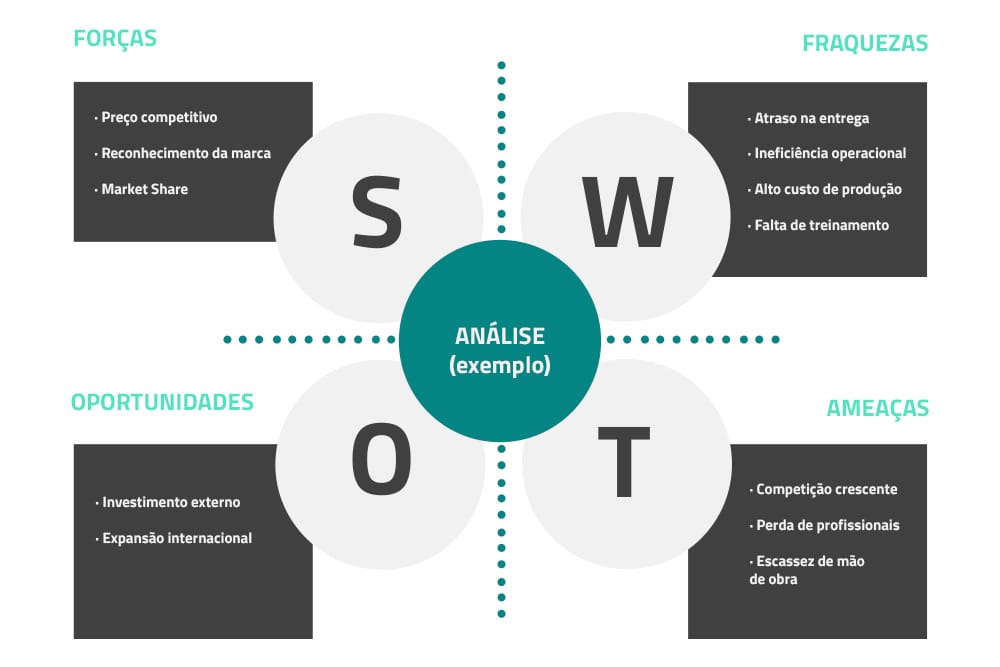
SWOT analysis is a widely used strategic tool for identifying the strengths, weaknesses, opportunities and threats of a specific market. In Cape Verde, this methodology can be applied to assess the local business environment, taking into account internal and external factors that influence the market. Strengths may include the archipelago’s strategic location and the growth of tourism, whilst weaknesses may involve infrastructure limitations and dependence on imports. Opportunities may arise from increasing digitalisation and investment in renewable energy, whilst threats may include economic vulnerability due to fluctuations in tourism and climate change. This analysis provides a comprehensive overview that can help businesses formulate effective strategies to tap into the Cape Verdean market.
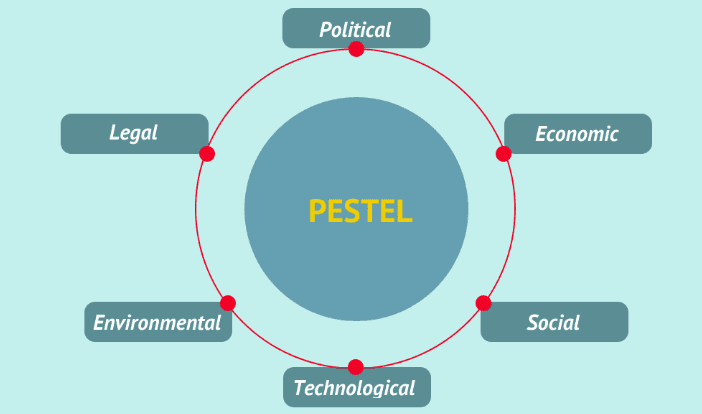
PESTEL analysis is a tool that examines the political, economic, social, technological, environmental and legal factors that may impact a market. In Cape Verde, PESTEL analysis can be particularly useful for understanding the macroeconomic environment. Politically, the country enjoys relative stability, which is favourable for investment.
Economically, GDP growth has been driven by tourism, but the economy still faces challenges such as high public debt. Socially, there is a young and growing population, which could be an advantage for the labour market. In terms of technology, there has been an increase in internet penetration and the use of mobile technology. Environmentally, the country faces challenges related to climate change, but also opportunities in renewable energy. Legally, reforms to improve the business environment are underway.
Primary market research involves collecting data directly from original sources, such as consumers and local businesses. In Cape Verde, this methodology can be implemented through surveys, interviews and focus groups to gain insights into consumer preferences, consumption trends and brand perceptions.
This approach enables companies to obtain specific and up-to-date data, which is crucial for strategic decision-making. For example, companies can conduct surveys to assess customer satisfaction with tourism services or to understand consumers’ needs regarding local products.
The analysis of secondary data involves the use of existing data, such as market reports, government statistics and studies by international organisations. In Cape Verde, sources such as the National Institute of Statistics (INE) and World Bank reports can provide valuable data on economic, demographic and social indicators.
This methodology is both time- and cost-effective, enabling companies to gain an overview of the market without the need to carry out extensive research. For example, data from INE on growth in the tourism sector can help companies identify trends and investment opportunities.
Competitive analysis is a methodology that involves assessing the strategies, strengths and weaknesses of competitors in the market.
In Cape Verde, this analysis can help businesses understand the competitive landscape, identify market gaps and develop strategies that set them apart. Companies can analyse their competitors’ products, prices, distribution channels and marketing campaigns to identify areas for improvement and opportunities for innovation. For example, in the tourism sector, companies can study their competitors’ package holiday offers to create unique value propositions that attract more tourists.
When applied in an integrated manner, these methodologies can provide an in-depth understanding of the Cape Verdean market, enabling companies to identify opportunities and develop effective strategies to maximise their growth potential.
The analysis of geospatial data is a powerful tool for identifying market opportunities in Cape Verde. This approach enables companies to visualise demographic, economic and environmental data on interactive maps, making it easier to identify areas with high growth potential. For example, the use of geographic information systems (GIS) can help to pinpoint regions with higher population density or areas with greater tourism potential, such as the islands of Sal and Boa Vista, which are renowned for beach tourism.
Furthermore, geospatial analysis can be used to monitor changes in land use and urban development, which is crucial for strategic planning in sectors such as property and retail.
Big Data is an essential tool for identifying market opportunities, enabling the rapid and efficient analysis of large volumes of data. In Cape Verde, where access to data can be limited, the use of Big Data can help overcome these constraints by aggregating information from various sources, such as social media, commercial transactions and meteorological data. Tools such as Hadoop and Apache Spark enable data to be processed and analysed in real time, providing valuable insights into consumer trends and customer behaviour. This analytical capability can be particularly useful for businesses in the tourism sector, where forecasting visitor patterns can optimise service provision and enhance the customer experience.
Social media is a rich source of data for identifying market trends and opportunities. Platforms such as Facebook Insights and Twitter “X” Analytics enable companies to analyse consumer behaviour, identify key influencers and understand the preferences of their target audience.
This analysis can provide insights into products or services that are gaining popularity, enabling companies to adjust their marketing strategies effectively. Furthermore, monitoring mentions and hashtags relating to Cape Verde can help to identify new market opportunities and respond quickly to changes in consumer preferences.
Sentiment analysis is a technique that uses natural language processing (NLP) to assess consumers’ opinions on products, services or brands. In Cape Verde, this tool can be used to measure customer satisfaction and identify areas for improvement in the services offered. Tools such as IBM Watson and Google Cloud Natural Language enable companies to analyse social media comments, customer reviews and survey feedback to gain a clear insight into market perceptions (Sentiment Analysis). This analysis can help companies tailor their offerings and improve the customer experience, thereby increasing loyalty and retention.
Crowdsourcing platforms, such as IdeaScale and Crowdicity, offer an innovative approach to identifying market opportunities, enabling companies to gather ideas and feedback directly from consumers and the business community in Cape Verde.
These platforms facilitate collaboration and open innovation, enabling companies to explore new ideas for products or services that can better meet the needs of the local market. Crowdsourcing can be particularly effective in Cape Verde, where companies can draw on local insights to develop solutions tailored to the archipelago’s cultural and economic context.
Whilst existing reports cover methodologies such as SWOT and PESTEL analysis, this report focuses on technological and digital tools that can be used to identify market opportunities in Cape Verde. Geospatial analysis, Big Data, social media, sentiment analysis and crowdsourcing are modern approaches that complement traditional methodologies, offering a more dynamic and real-time perspective on the Cape Verdean market. These tools enable a more in-depth and detailed analysis, which is essential for identifying opportunities in a rapidly changing market environment.
Statistical data plays a crucial role in feasibility studies, particularly in emerging markets such as Cape Verde. Statistical analysis enables companies to understand market dynamics, identify trends and make informed decisions. In Cape Verde, where resources may be limited, the effective use of statistical data can provide a significant competitive advantage.
Statistics help to quantify market demand, assess financial viability and forecast return on investment. The collection and analysis of statistical data from reliable sources, such as the National Statistics Institute (INE), are essential to ensuring the accuracy of market forecasts. .
Statistical data can be collected using primary and secondary methods. Primary methods involve collecting data directly from the source, such as surveys and interviews, whilst secondary methods use existing data.
In Cape Verde, combining both methods can provide a more comprehensive view of the market. For example, conducting surveys amongst local consumers can reveal specific preferences, whilst secondary data from INE can provide an overview of economic and demographic trends. This mixed approach allows for a more robust analysis that is tailored to local conditions.
Demographic and economic data are essential for the feasibility study, as they provide information on consumer profiles and market capacity.
In Cape Verde, demographic analysis may include the age distribution, income levels and geographical location of the population. For example, a young and growing population may indicate an opportunity for products and services targeted at this demographic. Furthermore, analysis of economic data, such as GDP per capita and unemployment rates, can help to assess the country’s purchasing power and economic stability.
Forecasting market trends is a vital part of a feasibility study. By using statistical data, companies can identify consumption patterns and predict changes in consumer behaviour.
In Cape Verde, trend analysis can be particularly useful in the tourism sector, where seasonality and tourists’ preferences can influence demand. Data analysis tools, such as the Google Analytics, can be used to segment the market on the basis of behavioural and demographic data.
Risk and return assessment is a critical aspect of the feasibility study, which relies heavily on statistical data. In Cape Verde, risk analysis may involve assessing factors such as economic volatility, political stability and market conditions.
Statistical data enable us to quantify these risks and assess the potential return on investment. For example, time-series analysis can help predict economic fluctuations, whilst scenario analysis can simulate different market conditions to assess the impact on expected returns. This data-driven approach helps companies make more informed decisions and mitigate potential risks.
The market analysis report on Cape Verde highlights the use of traditional methodologies, such as SWOT and PESTEL analysis, and the integration of modern technological tools to identify market opportunities. The SWOT analysis reveals that Cape Verde has strengths such as its strategic location and growth in tourism, but faces weaknesses such as infrastructure limitations.
Opportunities arise from digitalisation and investment in renewable energy, whilst threats include economic vulnerability. The PESTEL analysis complements this view by exploring macroeconomic factors, such as political stability and economic, social and environmental challenges, providing a comprehensive understanding of the business environment.
Technological tools, such as geospatial data analysis, Big Data and social media platforms, provide a dynamic, real-time insight into the Cape Verdean market.
These tools enable the visualisation of demographic and economic data, the analysis of large volumes of data and an understanding of consumer preferences, making it easier to identify areas with high growth potential. The use of statistical data is crucial for a feasibility study, enabling the forecasting of market trends and the assessment of risks and returns.
The combination of these methodologies and tools offers a robust approach to exploring the Cape Verdean market, suggesting that companies should adopt an integrated strategy that draws on both traditional analysis and technological innovations to maximise their growth potential (website URL, website URL).
The findings of this study suggest that companies interested in investing in Cape Verde should focus on areas such as sustainable tourism and renewable energy, capitalising on the opportunities offered by digitalisation and the country’s young population.
Furthermore, the ongoing analysis of data and adaptation to changes in the market environment are essential for mitigating risks and ensuring a positive return on investment. The next steps should include implementing data-driven strategies, collaborating with local stakeholders and exploring new technologies to maintain a competitive advantage in the Cape Verdean market.

 English (UK)
  Português (AO90)
  Français